

No. U.S. postage stamps do not expire. The USPS rulebook is blunt about it: “All postage stamps issued by the United States since 1860, unless listed in 1.3, are valid for postage” (Domestic Mail Manual 604.1.2). That drawer of stamps from your parents’ house is still money.
Two things can still go wrong. A denominated stamp — one printed with a value like 32¢ — is only worth that printed value, so it no longer covers a full letter on its own. And a stamp that has been used, torn, or defaced is not valid at all, no matter how old or new it is.
Do stamps expire?
They do not. There is no expiration date printed on a U.S. stamp and no rule that retires one after a set number of years. A 1970s Christmas stamp, a 1990s flag stamp, and a Forever stamp bought last week are all valid postage today.
A valid stamp only needs to meet two conditions:
- It is unused. No cancellation mark, no postmark, no evidence it already carried a piece of mail.
- It is intact. The design and the denomination are still readable, and the stamp is not mutilated, defaced, or coated with anything that would stop a canceling mark from printing on it.
Minor wear is fine. A slightly nicked edge or a stamp that has yellowed with age still goes through. A stamp torn across the denomination does not.
The one thing time changes is how much postage you need, not whether the stamp works.
How much postage do you need in 2026?
USPS raised prices on July 12, 2026. A First-Class Mail Forever stamp went from 78 cents to 82 cents, part of an increase of about 4.8 percent across mailing services. These are the totals your old stamps have to reach.
| Mail piece | Price before July 12, 2026 | Price now |
|---|---|---|
| First-Class letter, 1 oz (stamp) | 78¢ | 82¢ |
| First-Class letter, 1 oz (metered) | 74¢ | 78¢ |
| Each additional ounce | 29¢ | 29¢ |
| Domestic postcard | 61¢ | 65¢ |
| International letter, 1 oz | $1.70 | $1.75 |
So the practical math on a standard letter:
- A 2-ounce letter needs 82¢ + 29¢ = $1.11.
- A 3-ounce letter needs 82¢ + 29¢ + 29¢ = $1.40.
- A 32¢ stamp from the 1990s is 50¢ short of a 1-ounce letter. Add stamps worth at least 50¢.
- Two 41¢ stamps hit 82¢ exactly — no waste.
You can mix any valid U.S. stamps in any combination. USPS cares about the total face value, not how many pieces of paper you used to get there.
Forever stamps vs. denominated stamps
This is the distinction that actually matters when you dig out old postage.
| Attribute | Forever stamp | Denominated stamp |
|---|---|---|
| Printed value | None — says “Forever” | A number, e.g. 22¢, 32¢, 49¢ |
| What it is worth today | The current 1-oz First-Class price (82¢) | Exactly its printed value |
| Rate increase effect | Automatically covers the new price | Falls short; needs topping up |
| Expires? | No | No |
USPS issued its first Forever stamp on April 12, 2007, describing it as “a nondenominated, nonexpiring stamp.” That word, nonexpiring, is the whole design goal. Whatever you paid for it, it still mails a 1-ounce letter.
That answers the two questions people search most often. Can you use a stamp from 10 years ago? Yes. If it is a Forever stamp, it still pays a full 1-ounce letter with nothing added. Is a 2014 stamp still good? Yes, but if it shows a printed cent value, check whether it reaches 82¢ on its own.
Global Forever stamps work the same way for international mail. If you are mailing a letter to Canada with Forever stamps, one Global Forever stamp covers the full 1-ounce international rate; two domestic Forever stamps do not quite get there.
Which stamps USPS will not accept
DMM 604.1.3 lists the exceptions. None of them are about age:
- Mutilated or defaced U.S. stamps: torn, scribbled on, or coated so a canceling mark cannot print
- Stamps cut from stamped envelopes, aerogrammes, or stamped cards: you cannot scissor the pre-printed postage off an old envelope and reuse it
- Postage due, special delivery, and Certified Mail stamps: these were never meant to pay basic postage
- Stamps of other countries: a Canadian or British stamp is worthless on U.S. mail
- United Nations stamps: valid only on mail deposited at the UN in New York
- Nonpostage stamps: hunting and conservation stamps, savings stamps, trading stamps
Everything else issued since 1860 counts at face value.
Can you reuse a stamp?
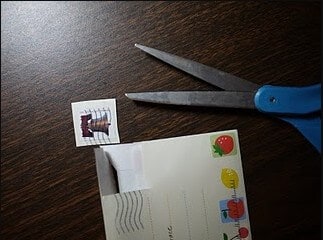
No. Once a stamp has gone through the cancellation machine, it is spent. Soaking it off an envelope and sticking it on a new one is not a loophole. A canceled stamp is a defaced stamp under 604.1.3, and deliberately reusing one is treated as postage fraud, not a clerical error. The penalties for reusing postage stamps are worth reading before you try it.
People always ask about the gray area: a stamp that went through the mail but somehow escaped the cancellation mark. Machines miss some. It does not matter. If you know the piece was already mailed, putting that stamp back into circulation is the same offense as soaking one off.
Exchanging damaged or unusable stamps
You can sometimes swap stamps at a Post Office, but the window is narrower than most people expect. Under DMM 604.9.1.2, USPS may exchange stamps that became damaged or unusable while in your possession, subject to these limits:
| Condition | Requirement |
|---|---|
| Age | The stamps must have been on sale at Post Offices within 12 months before the transaction |
| Condition | Presented in substantially whole condition, with the denomination evident |
| What you get | An equal number of stamps, alike and of the same denomination |
| Transaction cap | Generally $100 per customer per transaction |
Two consequences follow. First, a 32¢ stamp from 1995 is far outside the 12-month window, so you cannot trade it in; you can only use it at 32¢. Second, a price increase is not a reason for an exchange. Your old stamps did not lose value when the rate went up; they simply cover less of the new total. Buy 29¢ additional-ounce stamps or other low-denomination stamps and combine them.
The postmaster at your local office makes the final call, so call ahead before you drive over. Check Post Office hours first, because the retail counter closes well before the building does.
What happens if you underpay
This is the real cost of guessing. DMM 604.8 covers short-paid mail, and there are three outcomes:
- Short-paid, deliverable: The piece is marked with the total deficiency and delivered to the addressee on payment of the charges. Your recipient pays your shortfall at the door.
- Short-paid, undeliverable: First-Class Mail with a return address comes back marked “Returned for Additional Postage.” You add postage and remail it.
- No postage at all: The piece is endorsed “Returned for Postage” and returned to you with no delivery attempt.
That is the standard. In practice, a letter a couple of cents light often slips through untouched. The day it does not, the person you are mailing gets handed a bill. For anything time-sensitive, overpay by a stamp and stop thinking about it.
Christmas, commemorative, and holiday stamps
They do not expire either. A Christmas stamp from two years ago is as valid in July as it was in December. USPS puts no seasonal restriction on when a design can be used.
The only catch is the same one as always: check whether it is a Forever stamp or a denominated one. Recent U.S. holiday and commemorative issues are Forever stamps, so an old Christmas stamp pays a full 1-ounce letter today. An older denominated one pays only its printed value.
Types of U.S. stamps, and how each one ages
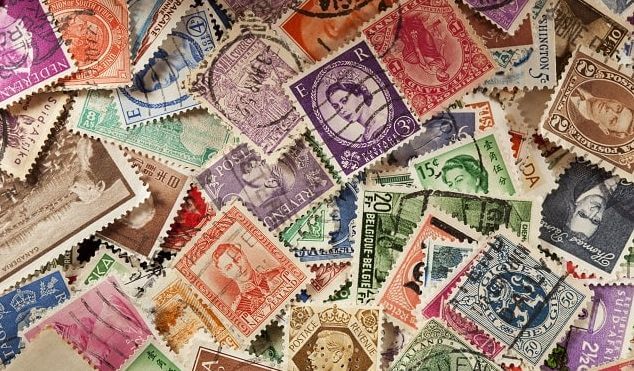
| Type | What it is | Value today |
|---|---|---|
| Definitive | Everyday workhorse stamps. The first U.S. general issue went on sale in New York City on July 1, 1847 | Printed denomination, unless it says Forever |
| Forever | Nondenominated First-Class stamp, first issued April 12, 2007 | Current 1-oz letter price (82¢) |
| Global Forever | Nondenominated international stamp | Current 1-oz international letter price ($1.75) |
| Commemorative | Limited-run designs honoring a person, place, or event | Printed denomination, or Forever value on recent issues |
| Semipostal | Sold above face value to fund a cause. The Breast Cancer Research stamp, issued July 29, 1998, was the first U.S. semipostal | Postage value only — the surcharge is a donation, not postage |
| Airmail | Historic class from the era when air transport was a premium | Printed denomination, counted like any other valid U.S. stamp |
The dates come from the USPS stamp history record. Note the semipostal line: you pay a premium at the counter, but only the postage portion of that price travels with the letter. The rest goes to the cause.
Stamps in other countries do expire
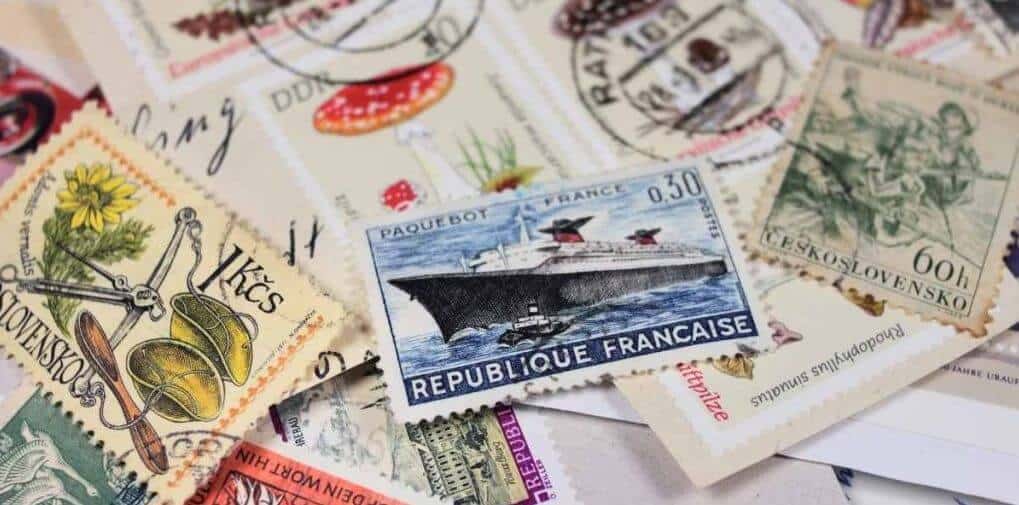
The “stamps never expire” rule is a U.S. rule, not a universal one. The clearest counterexample is the UK: Royal Mail retired regular non-barcoded stamps in 2023 after a grace period, and they are now treated as insufficient postage. Royal Mail still runs a free Swap Out scheme that exchanges old definitives for barcoded versions.
So if you inherited a shoebox of mixed international stamps, sort by country before you assume anything. And remember that foreign stamps are invalid on U.S. mail regardless of whether they are still valid at home.
Before you buy more stamps
If your old stamps come up short, you do not need to make a trip. The Postal Store sells additional-ounce and low-denomination stamps at face value, and there are a few other places to buy postage stamps online that ship free. Buy the 29¢ additional-ounce denomination rather than another book of Forever stamps. That is the piece most people are actually missing.
Once the envelope is in the mail, USPS tracking only helps if you paid for a service that includes it. Plain First-Class letters with stamps are not tracked, which is another reason to get the postage right the first time.
![Forever Stamps to Canada: Rules, Rates, and Limits [2026]](https://uploads.trackingadvice.com/2024/02/how-do-forever-stamps-work.jpeg)